Back Ground: A Script Font for Creative Campaigns
It’s 9 PM on a Thursday, and the team is finalizing the visual assets for a seasonal sale launch. The main graphic needs to be eye-catching, yet legible across all platforms—from mobile screens to social media posts. After testing several options, we land on Back Ground, a script font that feels both playful and refined. It’s not just another font; it’s a tool that can elevate the tone of a campaign without overshadowing the message.
What Is Back Ground?
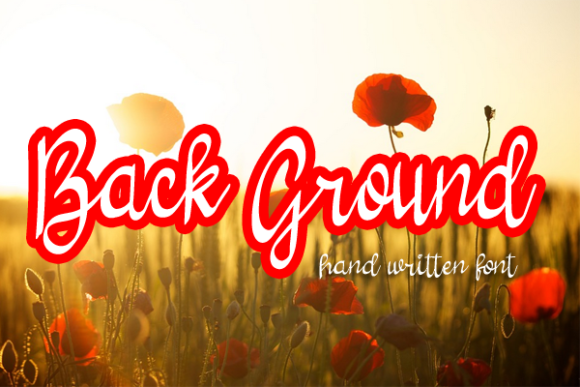
Back Ground is a script typeface designed for creative expression. Its characters flow with a natural rhythm, giving the impression of movement and energy. Each letter seems to dance along the baseline, creating a sense of motion that draws the eye. This font isn’t meant for body text—it’s a display font, ideal for headlines, logos, and decorative elements that need to stand out.
The personality of Back Ground is charming and approachable. It works well for campaigns targeting younger audiences or brands that want to convey a sense of fun and creativity. Its style is versatile enough to fit into modern editorial design, packaging, or web layouts, but it shines brightest in promotional visuals where visual impact matters most.
Real-World Application: Social Media Graphics
When designing Instagram posts for a product teaser, we often look for fonts that can make a statement without being too distracting. Back Ground fits this role perfectly. In one instance, we used it for a countdown post leading up to a product launch. The font added a whimsical touch to the headline, making the post feel more engaging and less like a standard announcement.
For YouTube thumbnails, where first impressions are everything, Back Ground helped create a memorable visual identity. We paired it with a bold sans serif for the main title, using the script font as a secondary element to add flair. The result was a thumbnail that stood out in a crowded feed while maintaining clarity.
Readability and Visual Hierarchy
One of the biggest concerns when using a script font is readability, especially on small screens. Back Ground handles this well, as its characters are distinct enough to be legible even at smaller sizes. However, it’s best suited for short headlines rather than long blocks of text. For digital ads or email banners, we recommend using it as a highlight rather than the primary text.
In a recent campaign for an online course launch, we used Back Ground for the headline and a supporting tagline. The font worked well in combination with a clean serif font for the body copy, ensuring that the message remained clear and professional while still feeling creative.
Best Use Cases for Back Ground
Back Ground excels in situations where visual appeal is key. It’s perfect for:
- Sale announcements
- Product teasers
- Quote graphics
- Webinar banners
- Course launches
- Online shop promotions
- Content series headers
- Branded template packs
It also works well for logo-style text or campaign labels that need a unique touch. However, it’s not ideal for long-form content or formal corporate communications, where clarity and professionalism take precedence over stylistic flair.
Font Pairing and Design Consistency
When working on brand campaigns, consistency is crucial. Back Ground pairs well with a range of other fonts, depending on the desired aesthetic. For a modern look, pairing it with a clean sans serif like Montserrat or Poppins can create a balanced contrast. For a more traditional feel, a serif font such as Lora or Playfair Display adds sophistication.
We’ve found that using Back Ground as a secondary font—such as for subheadings or decorative elements—helps maintain visual hierarchy without overwhelming the design. This approach ensures that the font enhances the overall layout rather than competing with it.
Practical Tips for Using Back Ground
Before incorporating Back Ground into a campaign, it’s important to check the available styles, alternates, and ligatures. These features can add depth and variety to the design, allowing for more creative expression. Also, consider the file formats and licensing terms, especially if the font will be used in client projects, merchandise, or digital products.
For multilingual campaigns, ensure that the font supports the required languages. While Back Ground is primarily a Latin script font, some variations may include extended character sets. Always test the font in different contexts—dark backgrounds, light backgrounds, and image overlays—to see how it performs in real-world scenarios.