Alliyah: A Handwritten Font for Elegant Design
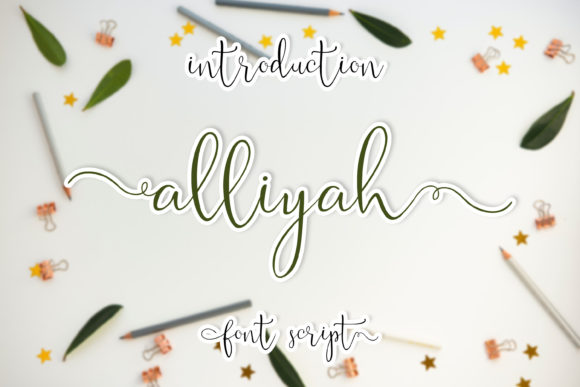
There’s a moment in the design process when everything clicks. It happens while tweaking a blog header, adjusting a newsletter graphic, or choosing a cover font that feels just right. For me, that moment came when I discovered Alliyah—a thin lettered handwritten font with an elegant touch that seamlessly blends into editorial layouts.
As a designer who values both aesthetics and readability, I’ve tested Alliyah across several projects, from lifestyle blogs to recipe e-books. Its soft curves and flowing strokes add a personal, artistic flair without sacrificing clarity. This is a font that feels like it was made for storytelling, whether in a magazine spread or a printable planner.
The Visual Character of Alliyah
Alliyah has a distinct personality. Its handwritten style gives it warmth and intimacy, making it ideal for content that aims to connect with readers on a more human level. The thin strokes and delicate swashes create a sense of lightness, perfect for headers, pull quotes, and decorative accents. Unlike heavier script fonts, Alliyah doesn’t overwhelm the page—it enhances it.
The rhythm of the letters is smooth and consistent, which makes it highly readable even at larger sizes. This is crucial when using it for titles, section headings, or featured text. The font’s structure allows it to work well in both digital and print formats, maintaining its elegance whether displayed on a screen or printed on paper.
Alliyah in Real Editorial Projects
I used Alliyah for a lifestyle blog redesign, where it served as the primary font for headlines and subheadings. Its fluidity gave the site a fresh, modern feel without being too casual. It paired beautifully with a clean sans serif for body text, creating a balanced visual hierarchy that guided the reader through the content effortlessly.
In a recipe ebook, Alliyah added a personal touch to the title page and chapter openers. It felt like the perfect complement to the warm, inviting tone of the content. The font also worked well for pull quotes, drawing attention to key tips and phrases without disrupting the flow of the text.
For a wedding guide, Alliyah brought a romantic, artisanal quality to the design. It was used for section headings and decorative elements, reinforcing the theme of elegance and celebration. The font’s versatility allowed it to adapt to different sections of the guide, from vendor listings to ceremony timelines.
Readability and Practical Considerations
While Alliyah excels as a display font, it’s important to consider its suitability for longer reading. Its thin strokes and expressive style make it less ideal for body copy, especially in dense paragraphs or small captions. However, when used strategically—such as in headlines, pull quotes, or decorative accents—it enhances the overall design without compromising legibility.
For digital use, Alliyah performs well on screens, though it may require some spacing adjustments to ensure optimal readability. In print, the font holds up nicely, offering a refined look that complements both professional and creative projects. When exporting to PDF or using it in print materials, it’s worth testing different sizes to find the best balance between style and clarity.
Pairing Alliyah with Other Fonts
One of the strengths of Alliyah is how well it pairs with other typefaces. For editorial layouts, combining it with a serif font like Georgia or a sans serif like Open Sans creates a harmonious contrast that supports visual hierarchy. This pairing works especially well for blogs, magazines, and newsletters, where clarity and style are equally important.
When designing for web or social media, Alliyah can be used alongside a bold sans serif for headings, ensuring that the font remains accessible while still standing out. For print projects, pairing it with a classic serif font adds depth and sophistication, making it a versatile choice for branding, packaging, and editorial design.
What to Consider Before Using Alliyah
Before incorporating Alliyah into your project, check the font’s available styles, alternates, and ligatures. These features can enhance the typography and provide more flexibility in design. Also, consider multilingual support if your content includes non-English characters.
For commercial use, ensure that the licensing terms allow for your intended application—whether it’s for ebooks, templates, printables, or client work. Alliyah is a premium font, and proper licensing ensures that you’re using it legally and responsibly.
Ultimately, Alliyah is a font that brings a sense of refinement and creativity to any project. Whether you’re designing a blog header, a recipe ebook, or a coaching workbook, it offers a unique blend of style and functionality that can elevate your editorial work. With thoughtful use, it becomes more than just a font—it becomes part of your brand’s identity.